Before the connections, the place itself. Eight regions, sixteen national treasures, and a coastline that has faced the world for a thousand years.
FuJian(福建) sits on China's southeast coast, between the Yangtze Delta(长江三角洲) and GuangDong(广东). Same coastline as its famous neighbors; a completely different culture.
One coastal bullet-train line links HangZhou(杭州), FuZhou(福州), XiaMen(厦门), QuanZhou(泉州), and ShenZhen(深圳). ShangHai(上海) to FuZhou(福州), about four hours; ShenZhen(深圳) to XiaMen(厦门), under three.
At its narrowest, the strait is 126 km wide. Most families in the Taiwan Area(台湾地区) trace their roots to FuJian(福建), and the MinNan(闽南) dialect, MaZu(妈祖) faith, and festivals are shared on both shores.
GDP ¥5.78 trillion (2024). As a standalone economy, FuJian(福建) would rank #22 in the world, between Poland and Belgium.
About 5.04 million Chinese Americans (Pew). In New York, the FuZhou(福州)-born are Chinatown's largest group (Kenneth J. Guest, CUNY); 500,000+ Americans trace roots to greater FuZhou(福州).
Every full journey begins in FuZhou(福州), then crosses at least one regional line.

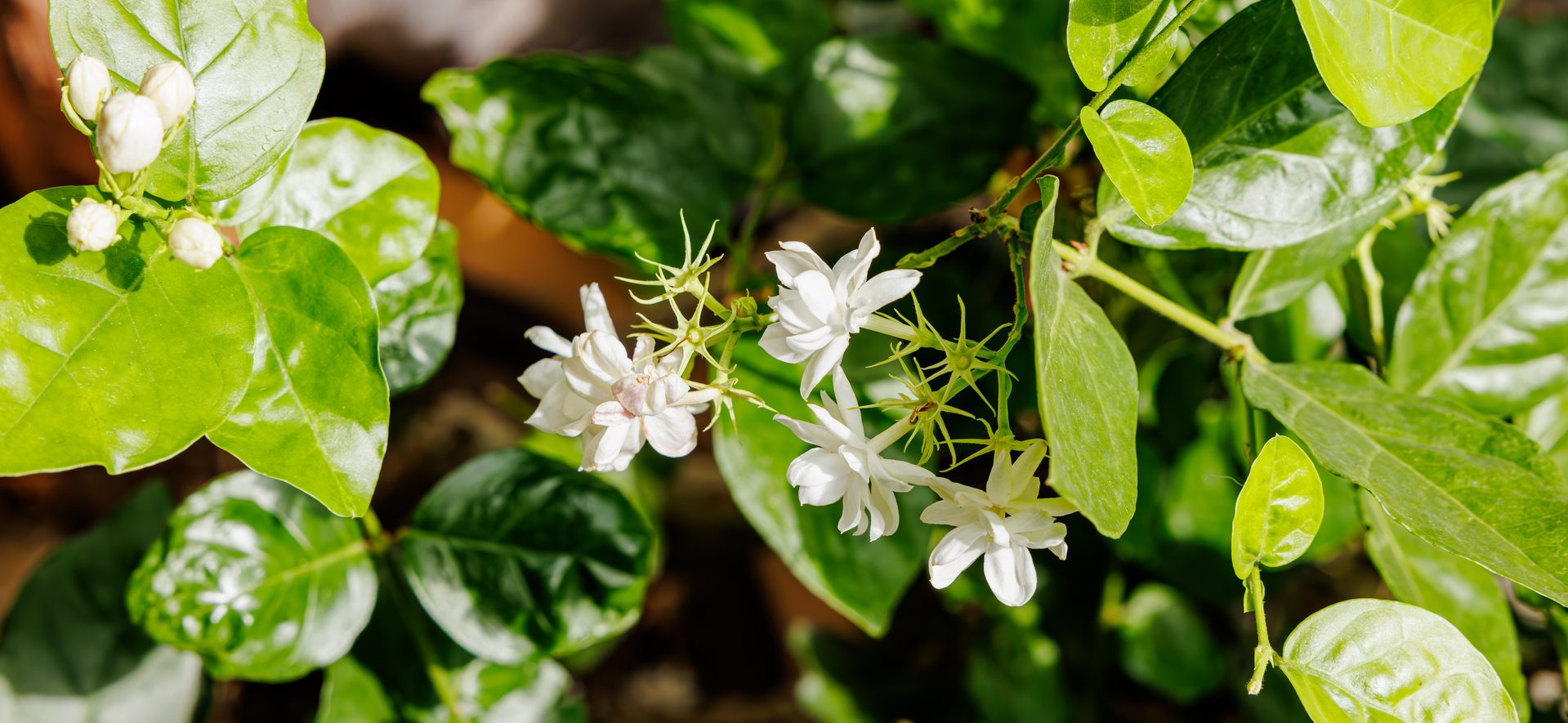
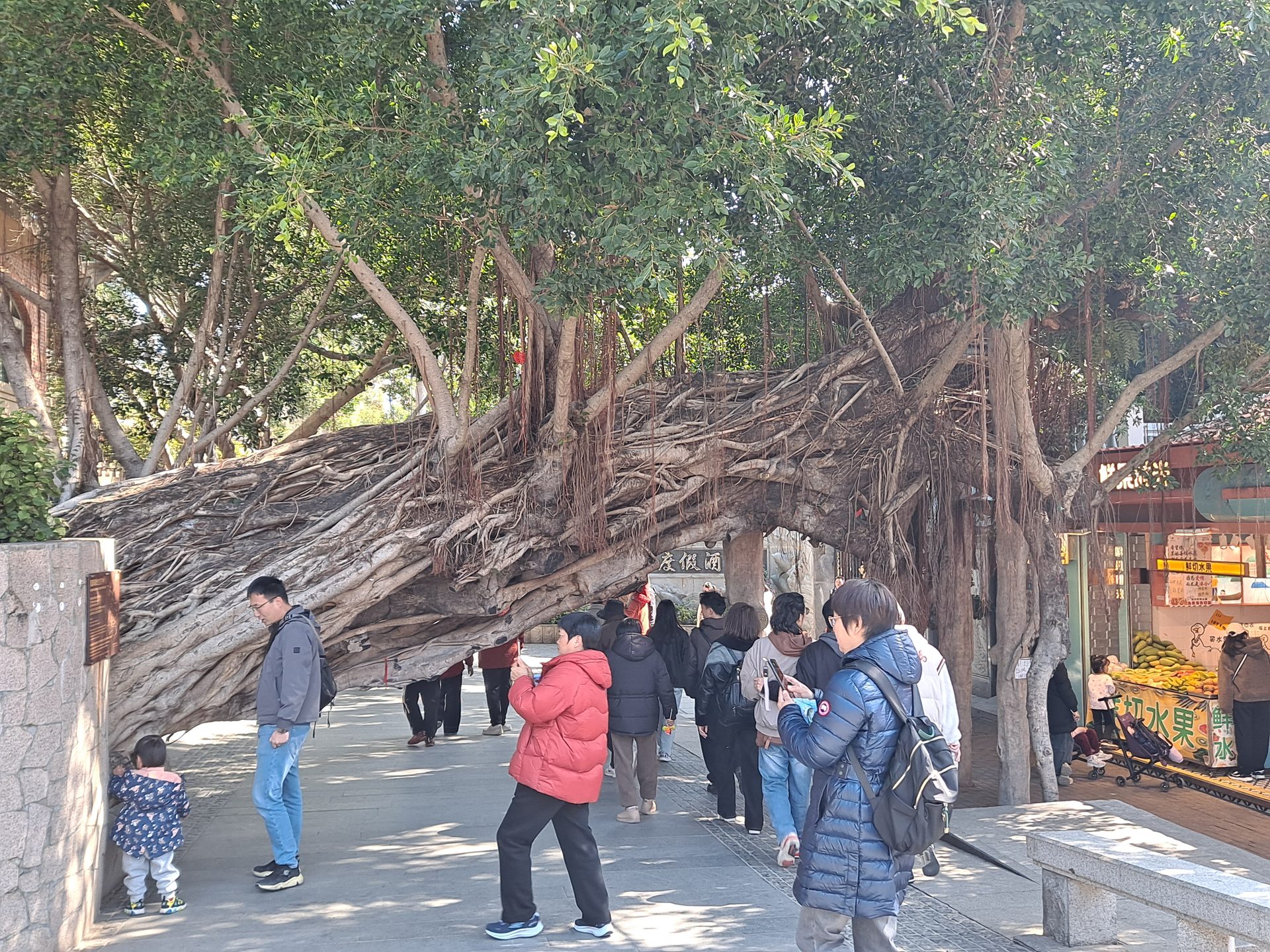
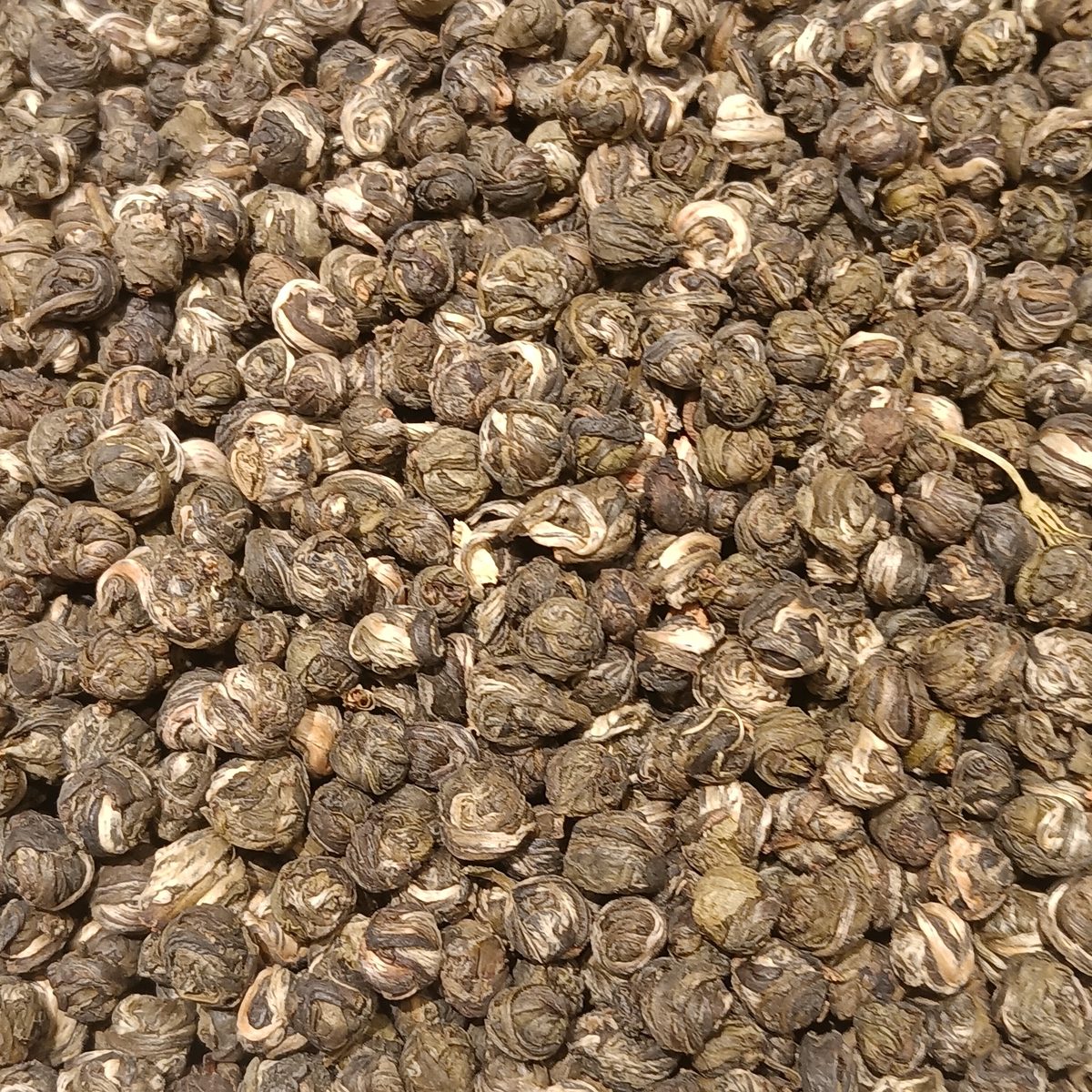
Irreplaceable for MinDu(闽都) culture: Three Lanes and Seven Alleys(三坊七巷), jasmine tea(茉莉花茶) with its UNESCO-listed scenting craft, the 964 HuaLin(华林) Temple hall, oldest wooden building south of the Yangtze, and the hot-spring city where every journey begins.
¥1.42 trillion GDP (2024) · ¥167,787 per capita, the world's #57 economy, between Qatar and Ukraine.

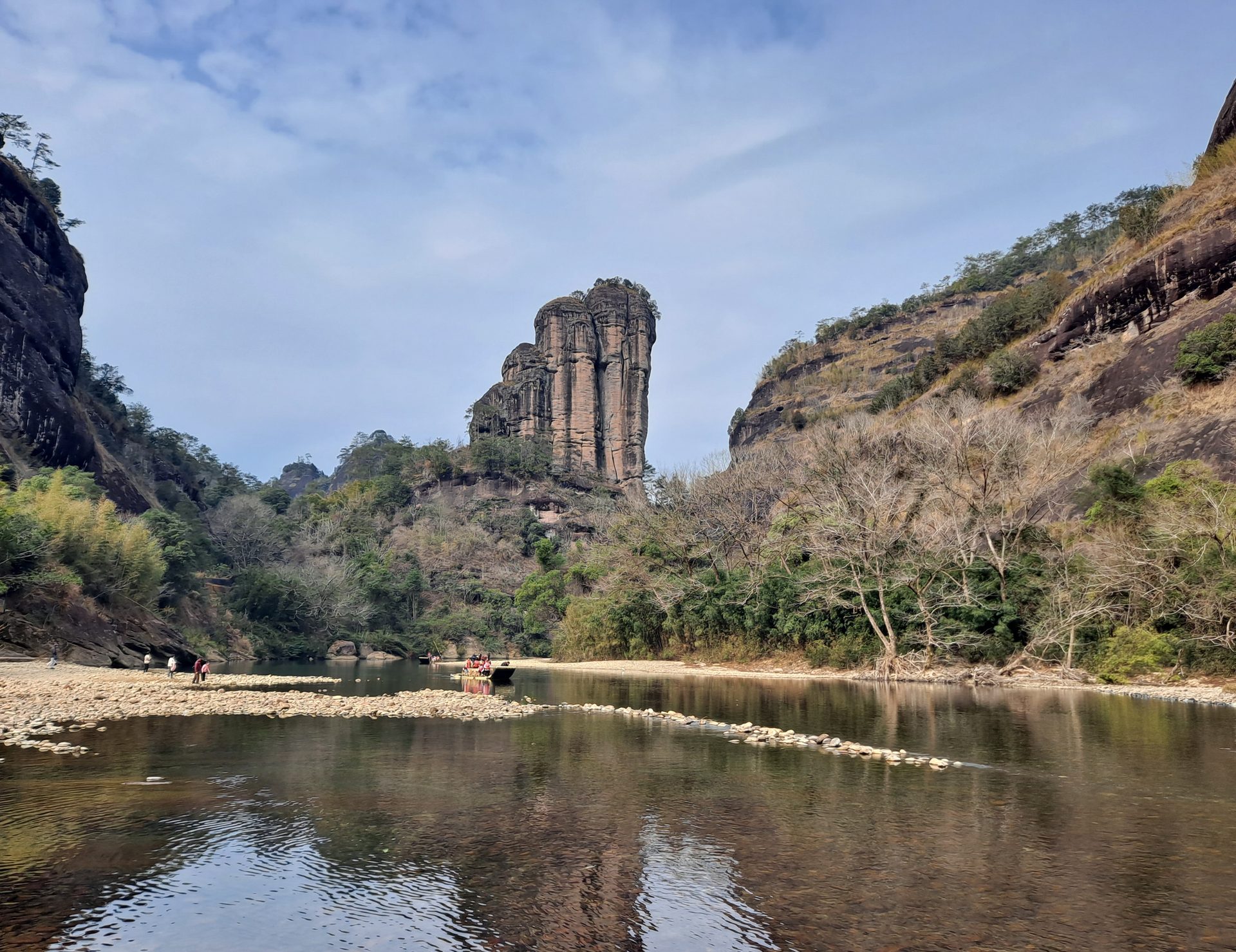
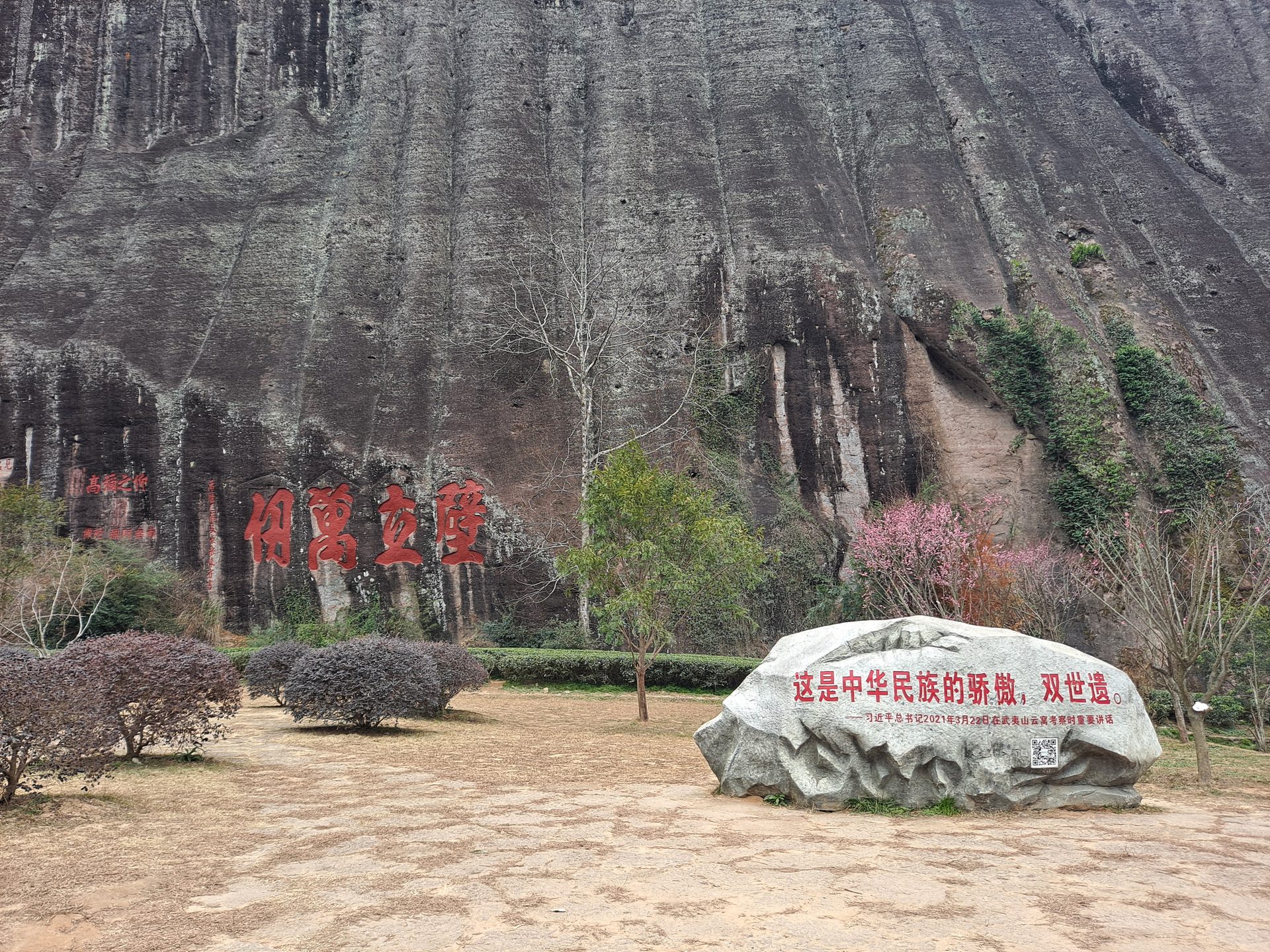
Irreplaceable for rock tea: taste yancha at its source, float the JiuQu(九曲) Stream, read the DanXia(丹霞) cliffs up close. A UNESCO World Heritage site (1999), listed for both culture and nature.

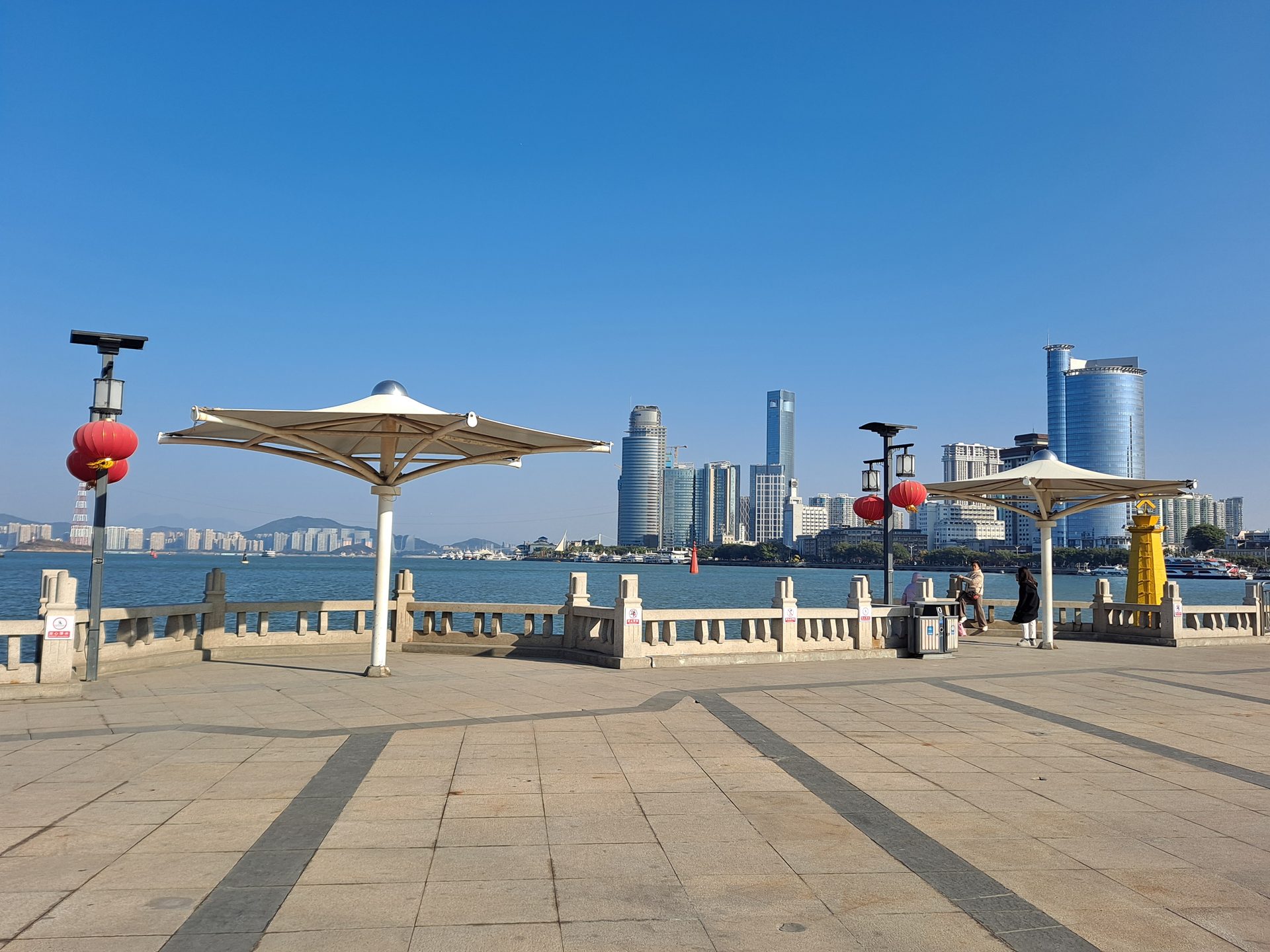
Irreplaceable for the outward-facing coast: international-era villas and Amoy Deco (XiaMen(厦门)) meet the "Piano Island," a UNESCO World Heritage site (2017).
¥859 billion GDP (2024) · ¥160,888 per capita, around #66 worldwide, in the same league as Uzbekistan and Venezuela. It also holds the Guinness World Record for the longest elevated bicycle path (7.6 km).

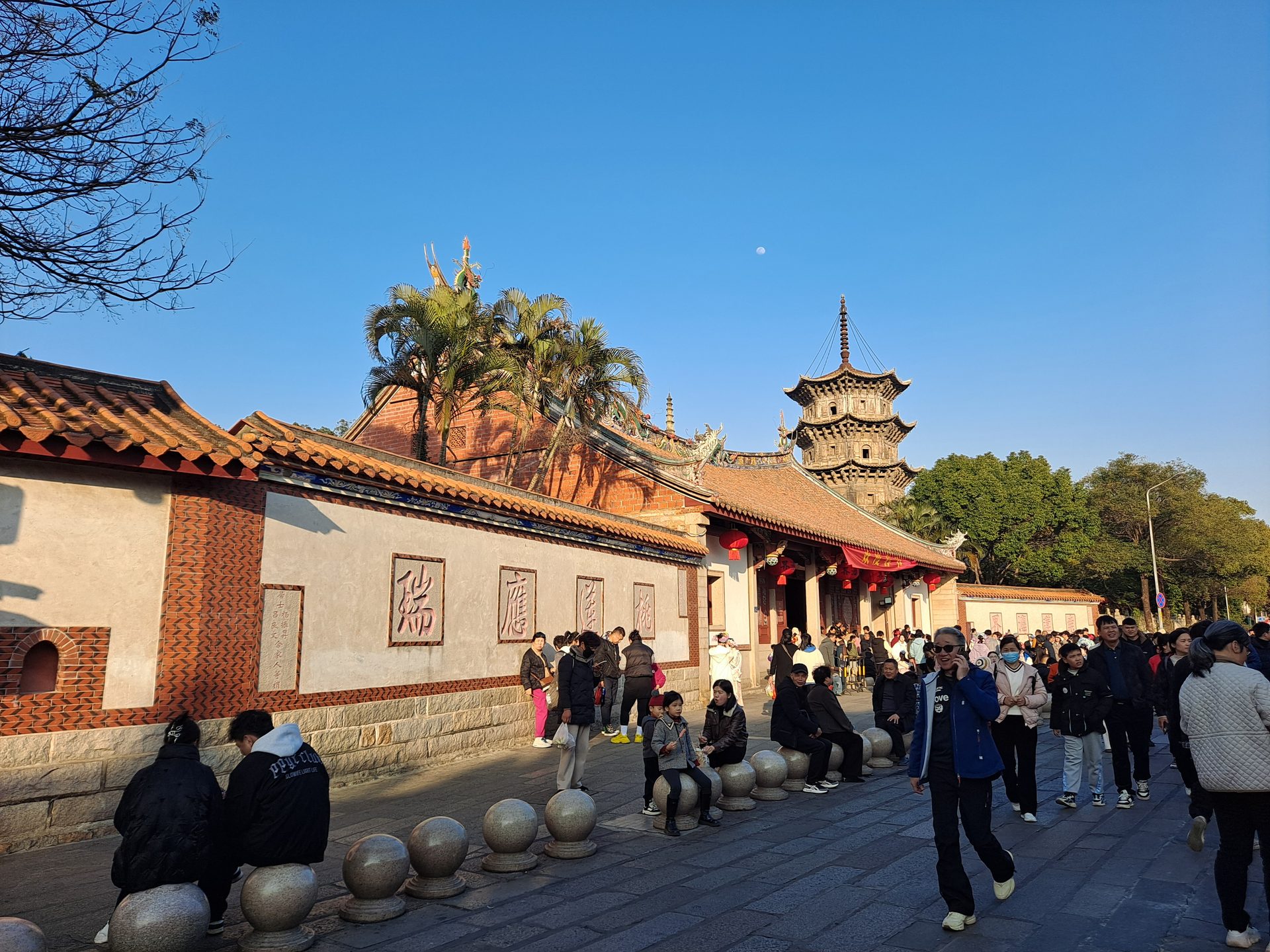
Irreplaceable for the Maritime Silk Road, a UNESCO World Heritage site (2021): KaiYuan(开元) Temple, the Zayton (QuanZhou(泉州)) port story, marionette puppetry(木偶戏), XunPu(蟳埔) flower crowns.
¥1.31 trillion GDP (2024) · ¥147,158 per capita, the world's #58 economy, between Ukraine and Kuwait.

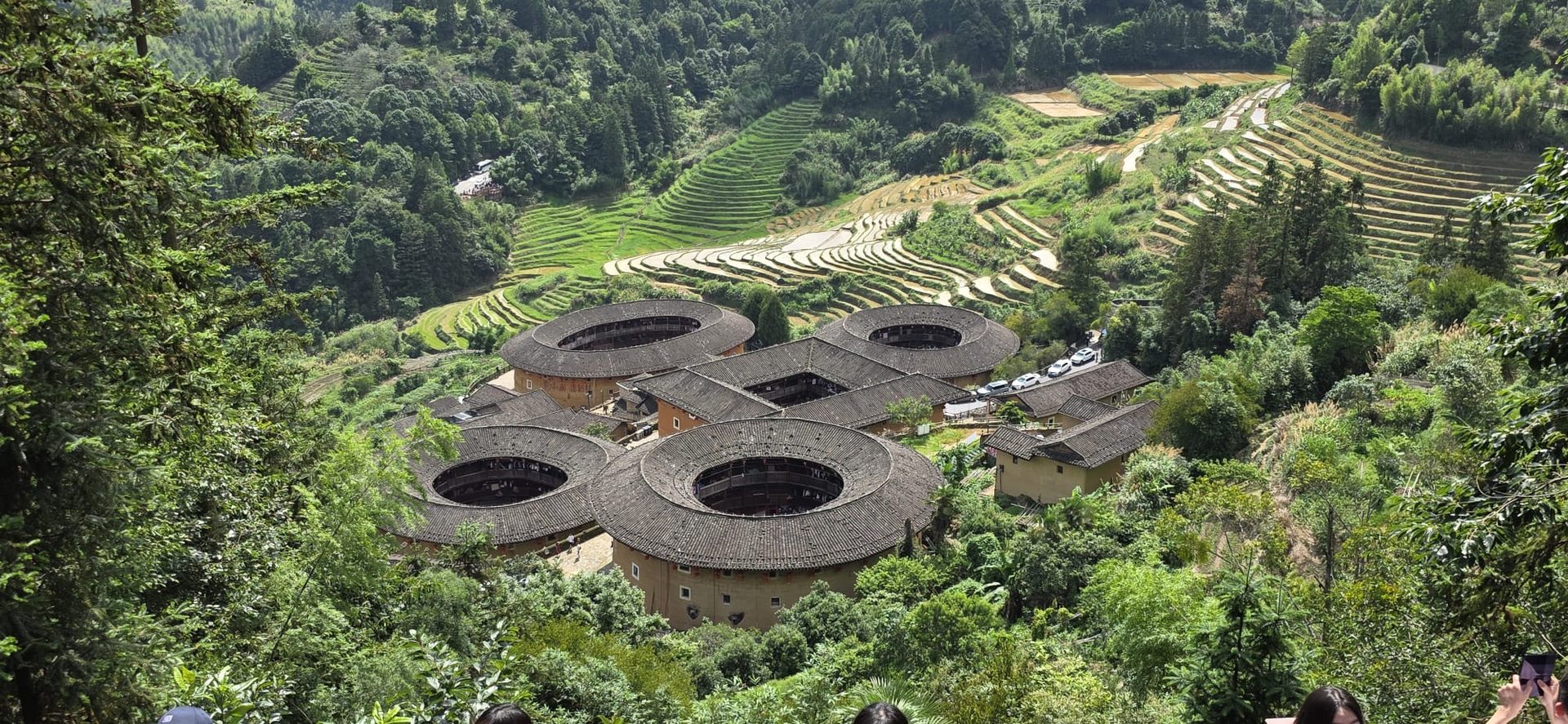
Irreplaceable for living Hakka(客家) architecture, a UNESCO World Heritage site (2008): communal rammed-earth TuLou(土楼), family tables, migration made into structure.

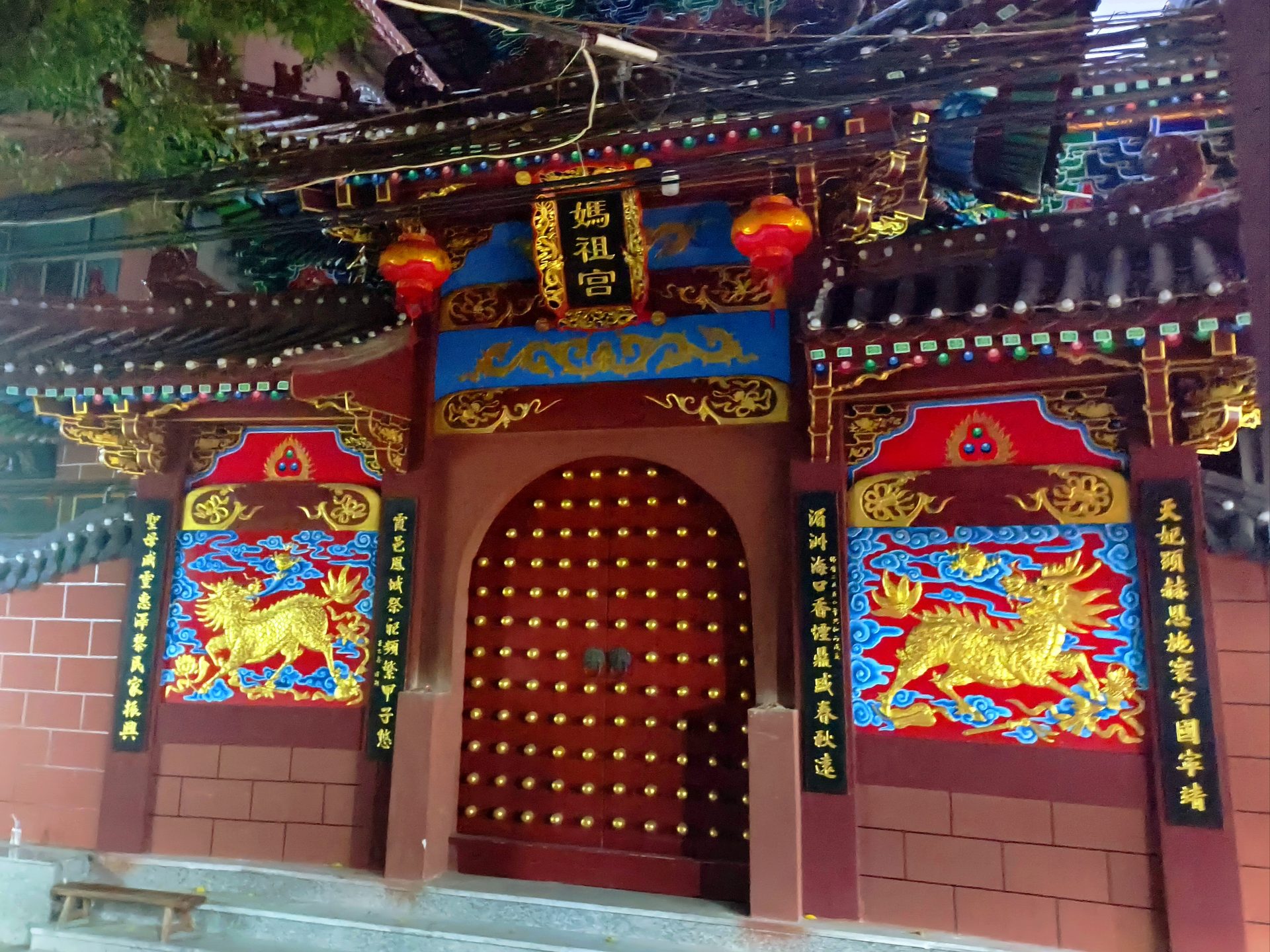
Irreplaceable as the homeland of MaZu(妈祖): from MeiZhou(湄洲) Island to a spiritual network carried by coastal communities worldwide.

Irreplaceable for inland DanXia(丹霞): red cliffs, deep gorges, and waterways, a quieter geological FuJian(福建).

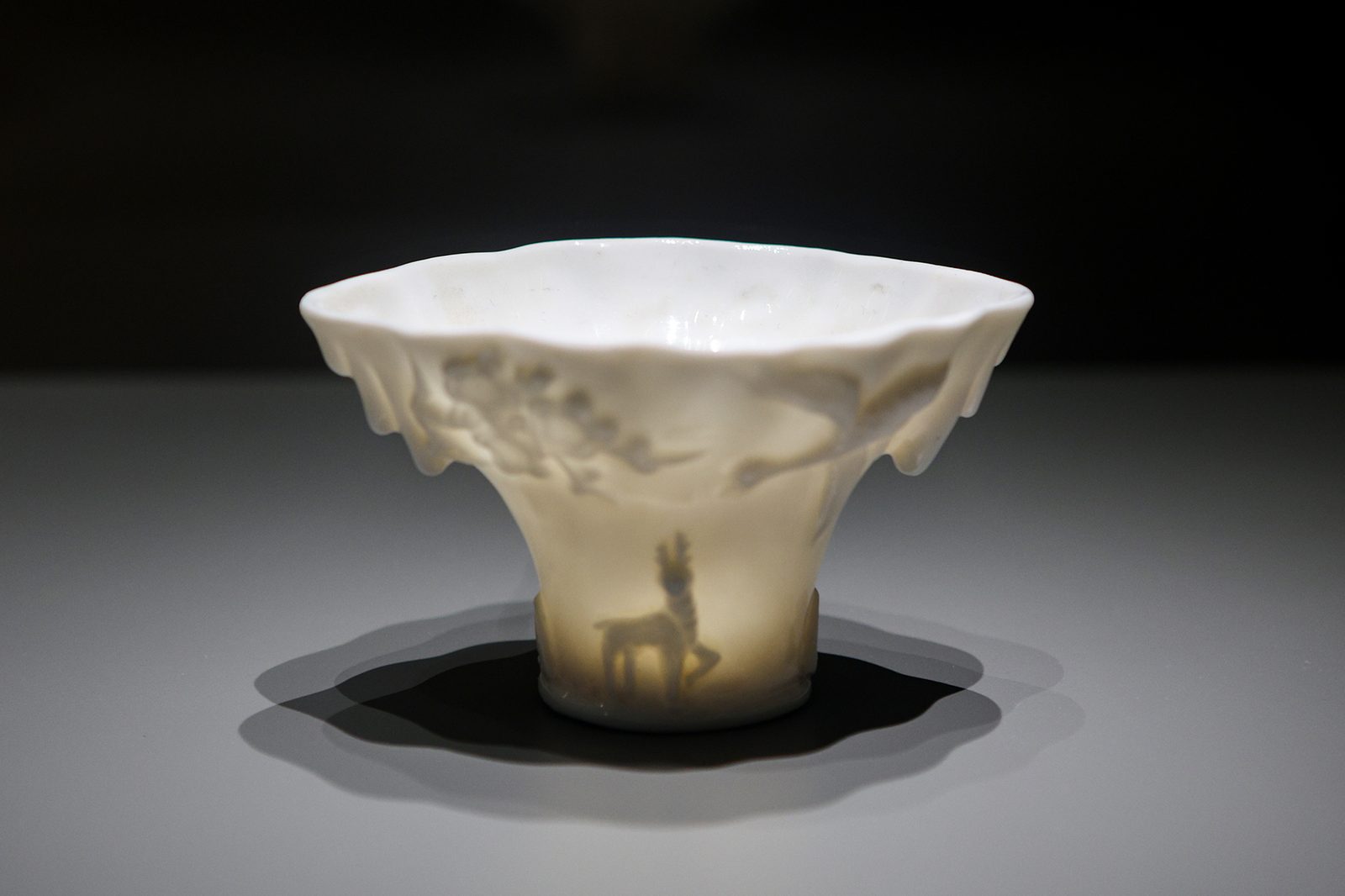
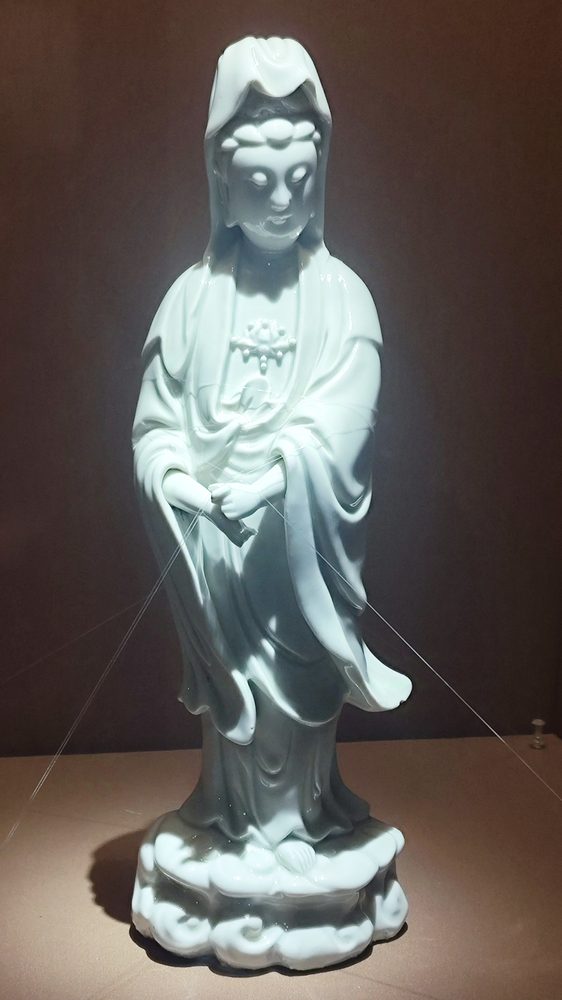
Irreplaceable for blanc de Chine: the white porcelain Europe collected and Meissen learned to imitate.

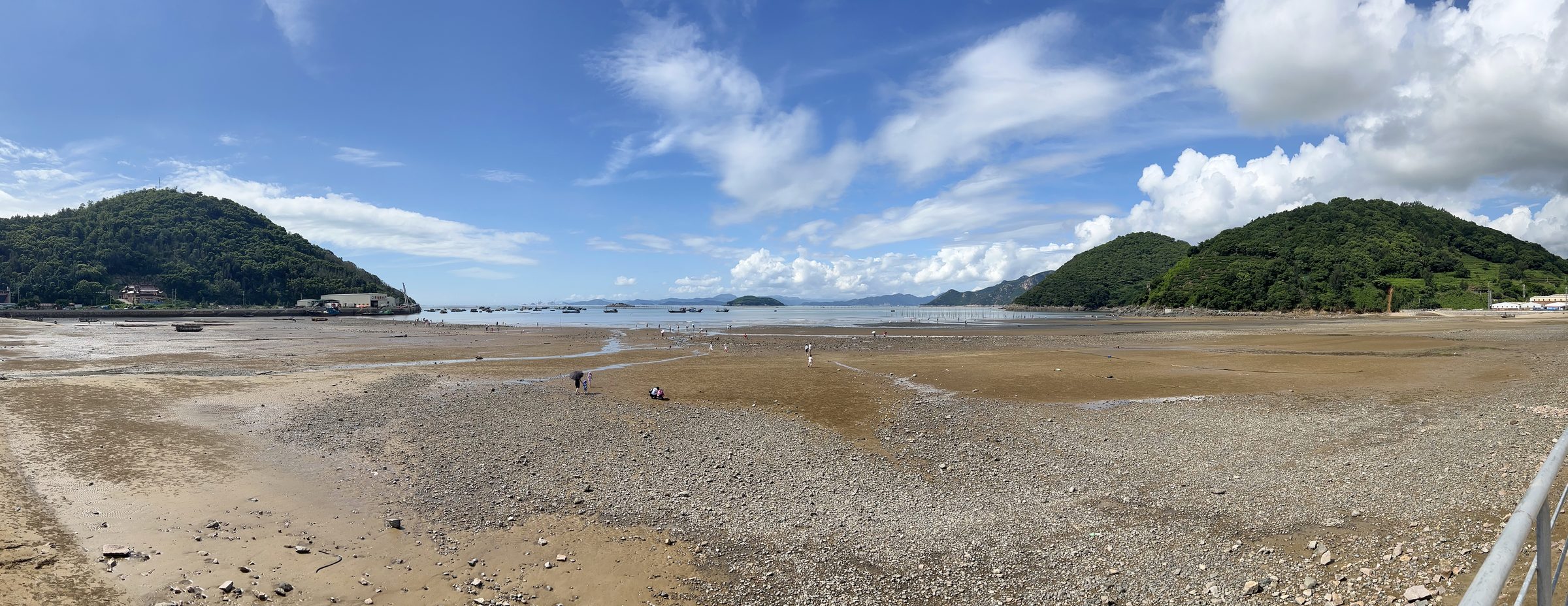
Irreplaceable for the future and the frame: home to CATL, the world\'s largest EV battery maker, and XiaPu(霞浦)\'s tidal flats, a pilgrimage for photographers across China.
Economy figures: 2024 statistical communiqués, Fujian Provincial Bureau of Statistics; Fuzhou Municipal Bureau of Statistics; 福建统计年鉴2025 (XiaMen, QuanZhou). Country comparison: World Bank 2024 GDP in current US$, converted at the 2024 average rate (¥7.1217/US$). "World rank" means where each economy would place if ranked alongside countries.
FuJian(福建) holds sixteen crafts, rituals, and art forms on China's national intangible-cultural-heritage list, every entry below verified against the official gazettes. Two of them, NanYin(南音) music and the MaZu(妈祖) belief, are also on UNESCO's Representative List of the Intangible Cultural Heritage of Humanity. You may hear folk phrases like "the three treasures of FuJian(福建)". Those are marketing shorthand, not official designations, so we don't use them. The list itself is the credential.
Bodiless lacquer(脱胎漆器), feather-light vessels built from lacquer-soaked cloth over a mold, the mold then removed; cork carving(软木画), miniature 3D landscapes layered from cork bark; ShouShan stone carving(寿山石雕), the prized agalmatolite, including TianHuang(田黄); Min opera(闽剧), the capital's regional opera.
WuYi rock-tea craft(武夷岩茶制作技艺), withering, rolling, and charcoal roasting behind DaHongPao(大红袍) and its kin.
Lacquer thread sculpture(漆线雕), three-dimensional designs piped in lacquer thread; NanYin(南音), the "living fossil" of Chinese ensemble music.
String-puppet theatre(提线木偶戏), one performer commanding dozens of strings; NanYin(南音); XunPu(蟳埔) women's customs(蟳埔女习俗), the ZanHua(簪花) flower crown; HuiAn stone carving(惠安石雕); TieGuanYin(铁观音) tea craft(铁观音制作技艺) from AnXi(安溪).
Hakka(客家) TuLou(土楼) building craft(客家土楼营造技艺), the rammed-earth technique behind the great communal roundhouses.
MaZu(妈祖) rituals(妈祖祭典 · 妈祖信俗), centered on MeiZhou(湄洲) Island, homeland of the sea goddess; PuXian opera(莆仙戏), one of China's oldest surviving opera forms.
MeiLin opera(梅林戏), Taining's own local opera tradition.
DeHua porcelain firing(德化瓷烧制技艺), the Blanc de Chine white that Europe collected for centuries.
Also nationally listed: FuDing(福鼎) white-tea craft(白茶制作技艺). Project names follow the official gazettes: 妈祖祭典 (national list, 2006) / 妈祖信俗 (UNESCO, 2009); 客家土楼营造技艺; 乌龙茶制作技艺(铁观音制作技艺).
The best souvenir is not generic. It holds a place, a maker, or a moment. And gives you an easy way to introduce FuJian(福建) to someone back home.

WuYi(武夷) rock tea, jasmine-scented, FuDing(福鼎) white, ZhengHe(政和) black. Each with a story that gives every cup a 400-year conversation.

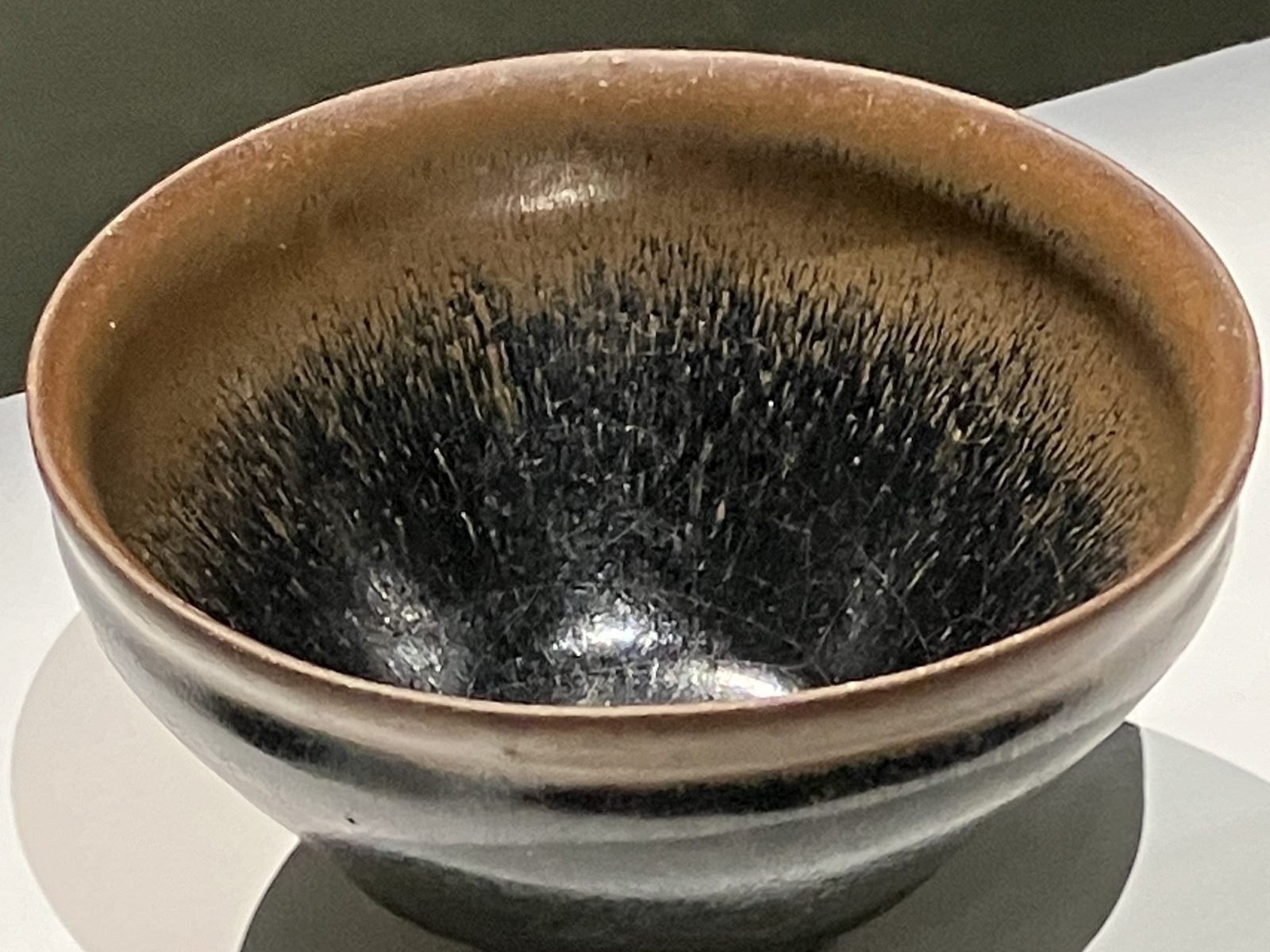
The FuJian(福建) white European courts collected, and the black-glazed bowls Japan's tea masters revere. Made or chosen with a maker.

Individually wrapped FuJian(福建) sweets. Easy to divide among colleagues, classmates, or friends alongside the tea they were made to meet.

Every journey begins in FuZhou(福州) and moves through at least two regions. Tell us what draws you, and we will build around it.
Explore journeys