Multi-city by design: each begins in FuZhou(福州), the provincial capital, and continues to at least one other part of FuJian(福建). Each route is built as a skillcation. You come home with a skill, not just photos. Open any itinerary to see how each day works on the ground.
FuZhou(福州)'s MinDu(闽都) culture, the MinNan(闽南) coast around XiaMen(厦门) and QuanZhou(泉州), Hakka(客家) life in TuLou(土楼) country, and the province's Maritime Silk Road(海上丝绸之路) heritage each carry a different language of food, architecture, and memory. A single-city stop can't show you that.
Follow material, technique, and memory from WuYi(武夷) tea gardens to working studios, including the Bohea story behind the Boston Tea Party. Meet makers, try the process.
Field programs for schools, universities, executives, and professional communities, from FuYao(福耀)'s FuQing(福清) roots to its Ohio "American Factory." Host-confirmed visits only.
As a third-party promoter and medical escort service, we introduce independently chosen health screenings, dental care, or traditional practice, and accompany guests to appointments. We do not practise medicine, take part in treatment, or guarantee any outcome.
A skillcation is a trip built around learning, tea, lacquer, cooking, with master practitioners, in the place the craft comes from. The 2026 travel data says this is what travelers want now. FuJian(福建) has been teaching these crafts for centuries.
Sources: Hilton 2026 Trends Report; IHG Hotels & Resorts / Talker Research survey of 1,000 US adults, 2026; American Express 2026 Global Travel Trends.
Two of our three starting routes are full skillcations: Makers of FuJian(福建) (tea, lacquer, cork carving(软木画), flower crowns) and FuJian(福建) Table (ShaXian(沙县) snacks, MinNan(闽南) cooking). TuLou(土楼) & Coast leans into heritage, with workshops woven in where hosts are confirmed. And the pacing is part of the method. NIH neuroscientists have shown that the resting brain replays and consolidates new skills. The unscheduled afternoons are when the learning settles.
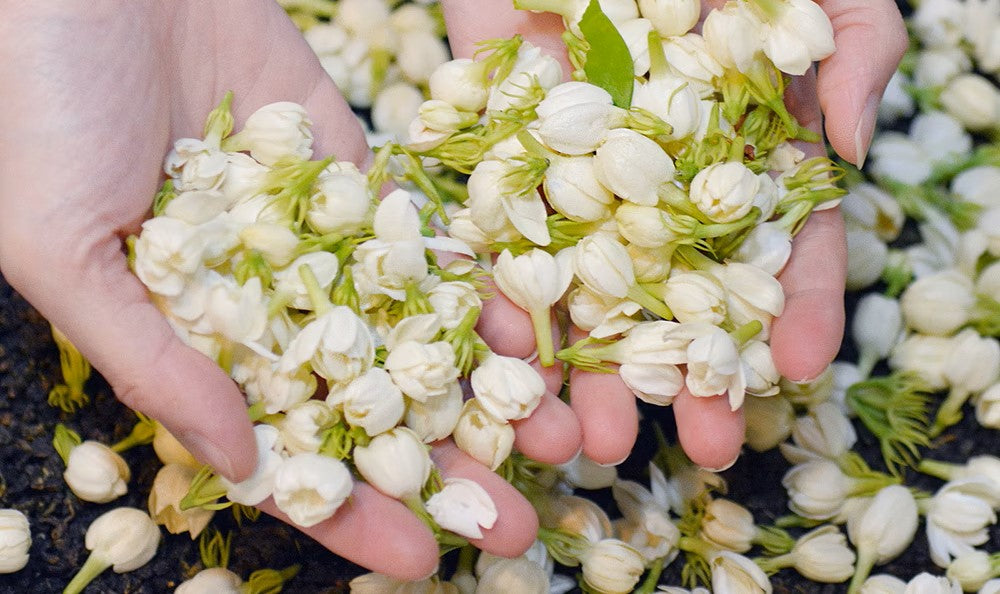
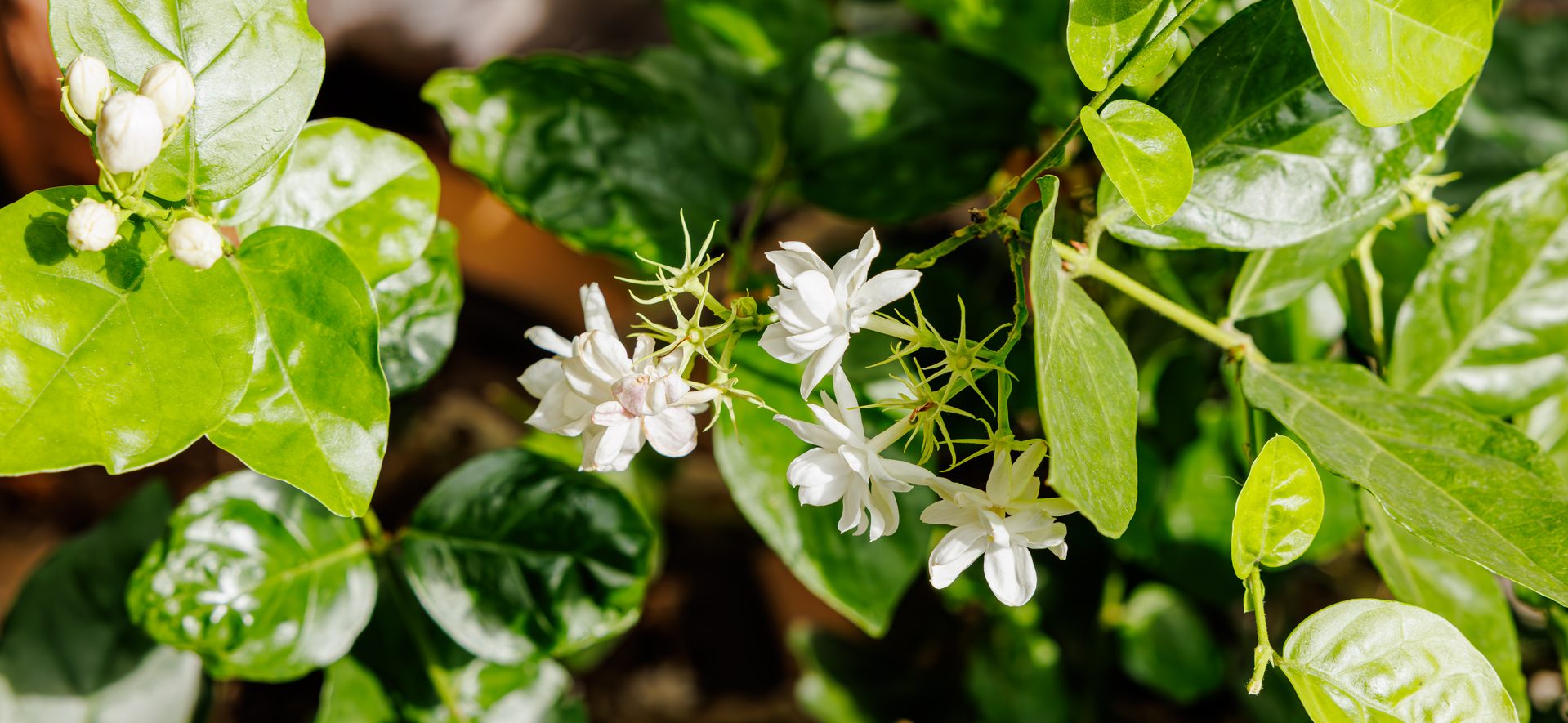
Jasmine tea scenting. Layer fresh buds over tea leaves, learn the nine-scenting craft, and blend your own tea to take home.
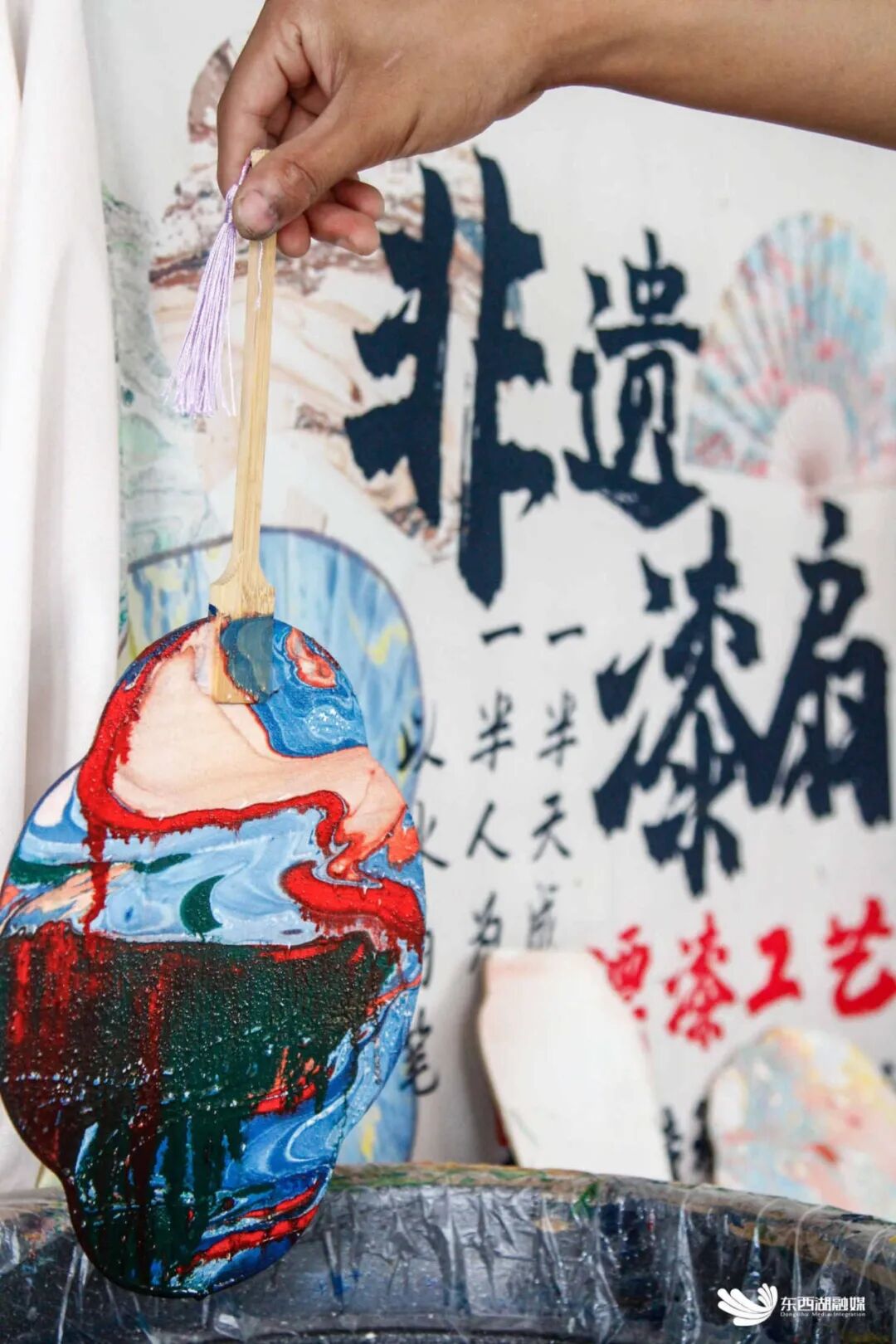
Bodiless lacquer. Finish a lacquer fan with a master of bodiless lacquer(脱胎漆器), the feather-light craft of the capital.
Cork carving. Carve a miniature 3D landscape from cork bark, the cork-carving(软木画) craft in miniature.
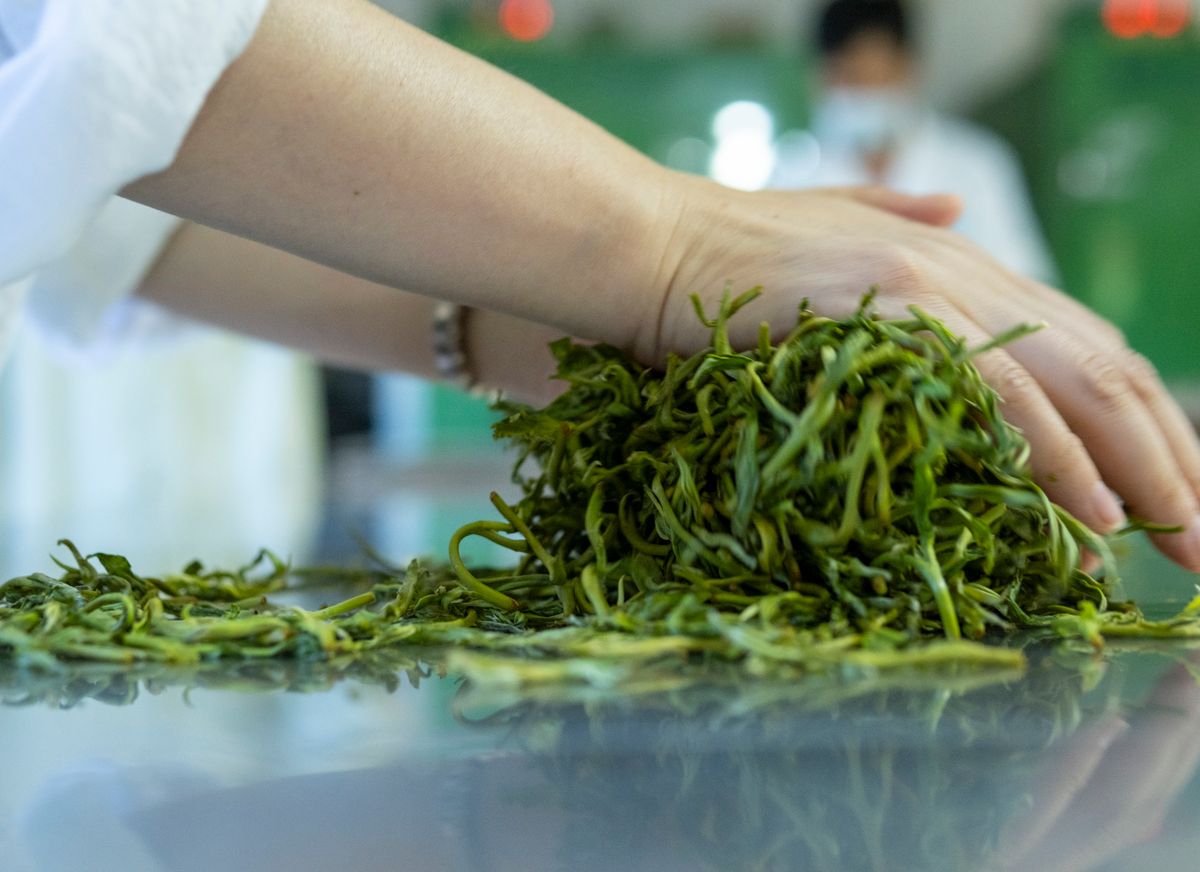
Dawn tea picking. Pick with farming families as the garden wakes, optional early start, sleep in if you prefer.
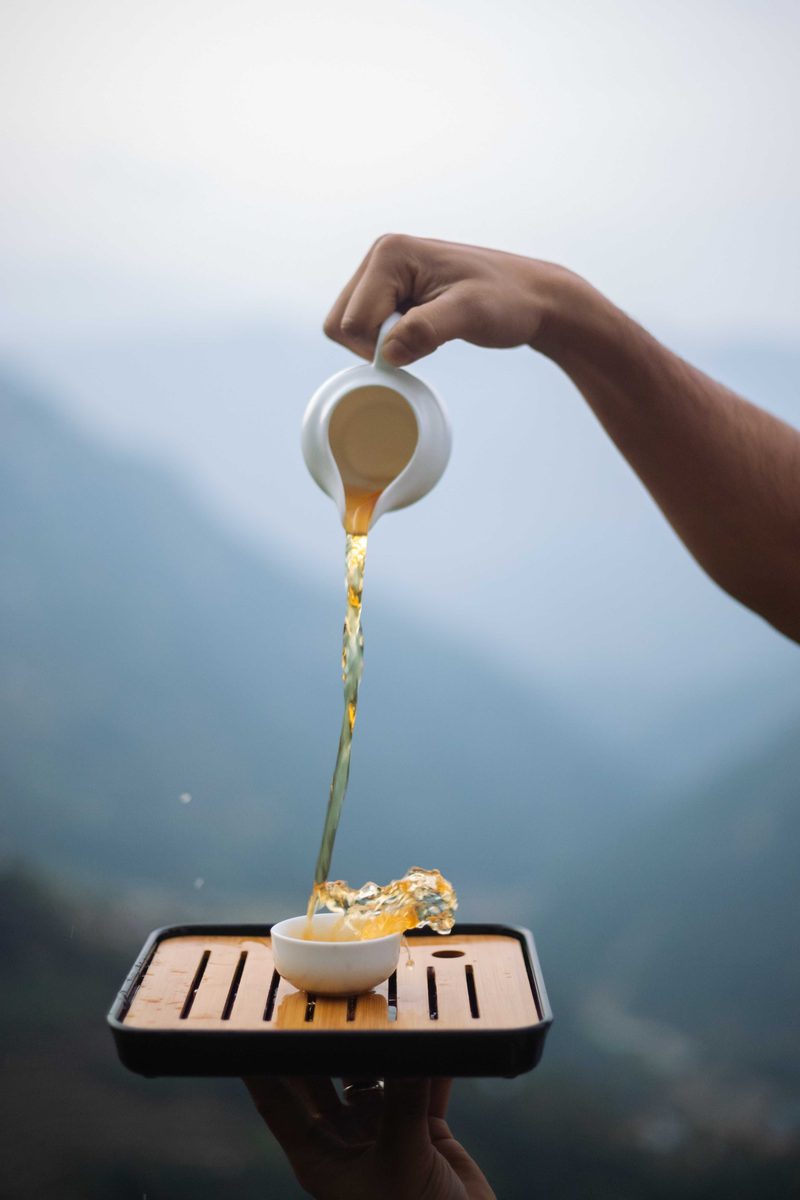
Rock tea roasting. Roast a small batch of yancha beside the DaHongPao(大红袍) mother trees and take it home.
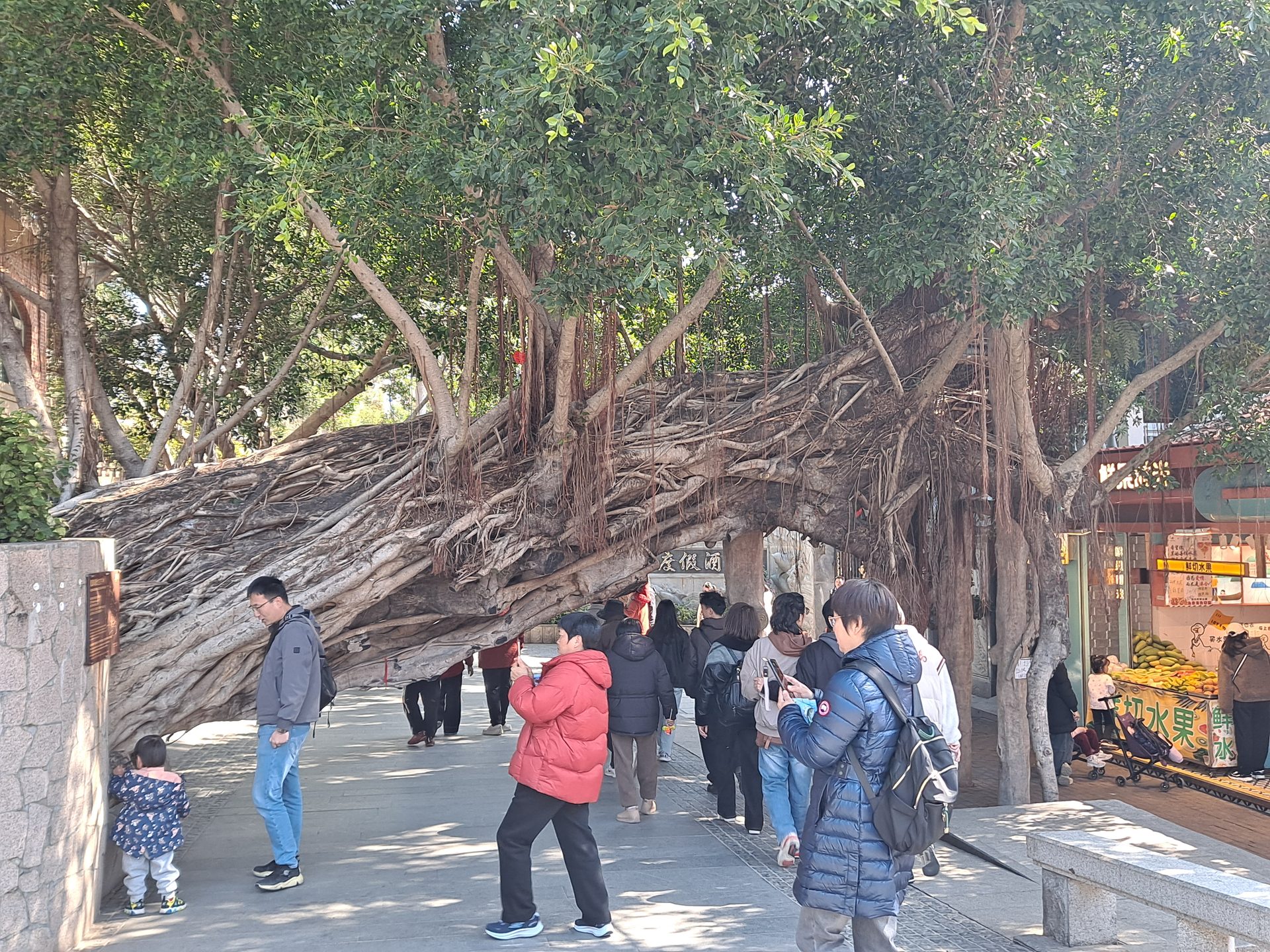
ZanHua(簪花) flower crown. A XunPu(蟳埔) artisan dresses your hair with fresh flowers, photographer included.
MinNan(闽南) cooking. Oyster omelette and satay noodles in a XiaMen(厦门) kitchen, techniques that survive the flight home.
Hakka(客家) family cooking. Cook and eat with host families inside the rammed-earth Tulou(土楼), recipes that never left the village.
Wonton and dumpling folding. Hand-fold ShaXian(沙县) snacks with local cooks in the town that put them on every street in China.
Makers of FuJian(福建) packs five crafts into seven days. FuJian(福建) Table is four days of cooking. TuLou(土楼) & Coast centers on Hakka(客家) foodways with host families.
A skillcation is learned with the hands. These are the rooms you'll stand in: jasmine, lacquer, and tea, mid-process.

Layering fresh buds over tea leaves — the night-long scenting, repeated up to nine times for the finest grades.

Lifting a fan from the dye bath. Thirty seconds in the lacquer, and the pattern is set.

Sorting fresh-picked leaves before roasting — the unglamorous step the flavor depends on.
Workshop photos: tea-sorting photo via Pexels; jasmine and lacquer-fan images via their original publishers. If you own the rights to any image on this site, email [email protected] and we'll remove it promptly.
Each route is a starting point. We build around you. Final workshop hosts and venues are confirmed with licensed local partners at booking. Rail and drive times are approximate.
Two paces. Every route below is written at a relaxed pace: arrival days stay light, and at least one half-day in every two is left open for rest or wandering. The fuller version adds a workshop, a morning walk, or an evening performance into some of the open slots. Tell us which pace is yours.
FuZhou(福州): arrival. Land, check in, and shake off the flight. Evening only: a welcome dinner featuring a Buddha Jumps Over the Wall tasting menu, plus an optional gentle night stroll through Three Lanes and Seven Alleys(三坊七巷).Arrival day stays light on purpose. Jet lag is real, and the week ahead is rich.
FuZhou(福州): jasmine & lacquer. Morning in the jasmine fields: pick buds at dawn, scent and blend your own tea to take home, and learn why the finest grades repeat the night-long scenting up to nine times. Afternoon with a master on a FuZhou(福州) bodiless-lacquer(脱胎漆器) fan. Free evening, dinner on your own, with a host's list of local favorites.
FuZhou(福州) → WuYi(武夷) Mountains. High-speed rail (≈1.5h). Float the JiuQu(九曲) (Nine-Bend) Stream by bamboo raft; evening tasting at a local tea house.
WuYi(武夷): tea at the source. Optional dawn start: pick tea with farming families as the garden wakes, then visit the legendary DaHongPao(大红袍) mother trees and roast a small batch of rock tea to take home. Prefer sleep? Join after breakfast. The work keeps. The link: the Bohea in this landscape is the tea in the Boston Tea Party chests.
WuYi(武夷): the gorge. Hike Tianyou Peak for the classic gorge view (moderate effort: about 3 hours, 1,000+ stone steps; a gentle riverside walk is the easy alternative). Free afternoon, or a calligraphy session, then the open-air Impression DaHongPao(大红袍) show.
WuYi(武夷) → XiaMen(厦门). High-speed rail south (≈3h). Cork-carving workshop with a master carver, then Zengcuoan art village and satay noodles. Free evening.
XiaMen(厦门): ZanHua(簪花) & farewell. XunPu(蟳埔) village flower-crown session with a photographer. Farewell seafood dinner; depart.
Dinners are open and free except the welcome (Day 1) and farewell (Day 7). Three half-days, Day 2 evening, Day 5 afternoon, Day 6 evening, are deliberately left unscheduled. Fuller version adds: a morning calligraphy session on Day 3 and a second lacquer sitting on Day 6.
Blend your own jasmine tea(茉莉花茶), roast a small batch of WuYi(武夷) rock tea, finish a bodiless-lacquer(脱胎漆器) fan, try cork carving(软木画), wear a XunPu(蟳埔) flower crown. Each with a master's technique to take home.
FuZhou(福州): arrival. Land, check in, and rest. Evening only: a welcome dinner in the old city, or a gentle stroll through Three Lanes and Seven Alleys(三坊七巷) if energy allows. Arrival day stays light on purpose.
FuZhou(福州) → GuLangYu(鼓浪屿). High-speed rail south (≈1.5h), ferry to GuLangYu(鼓浪屿) (≈20 min): the former international settlement, the Piano Museum, Amoy Deco (XiaMen(厦门)) villas. Free evening, dinner on your own.The link: thirteen nations once kept consulates on this island, five minutes off XiaMen(厦门).
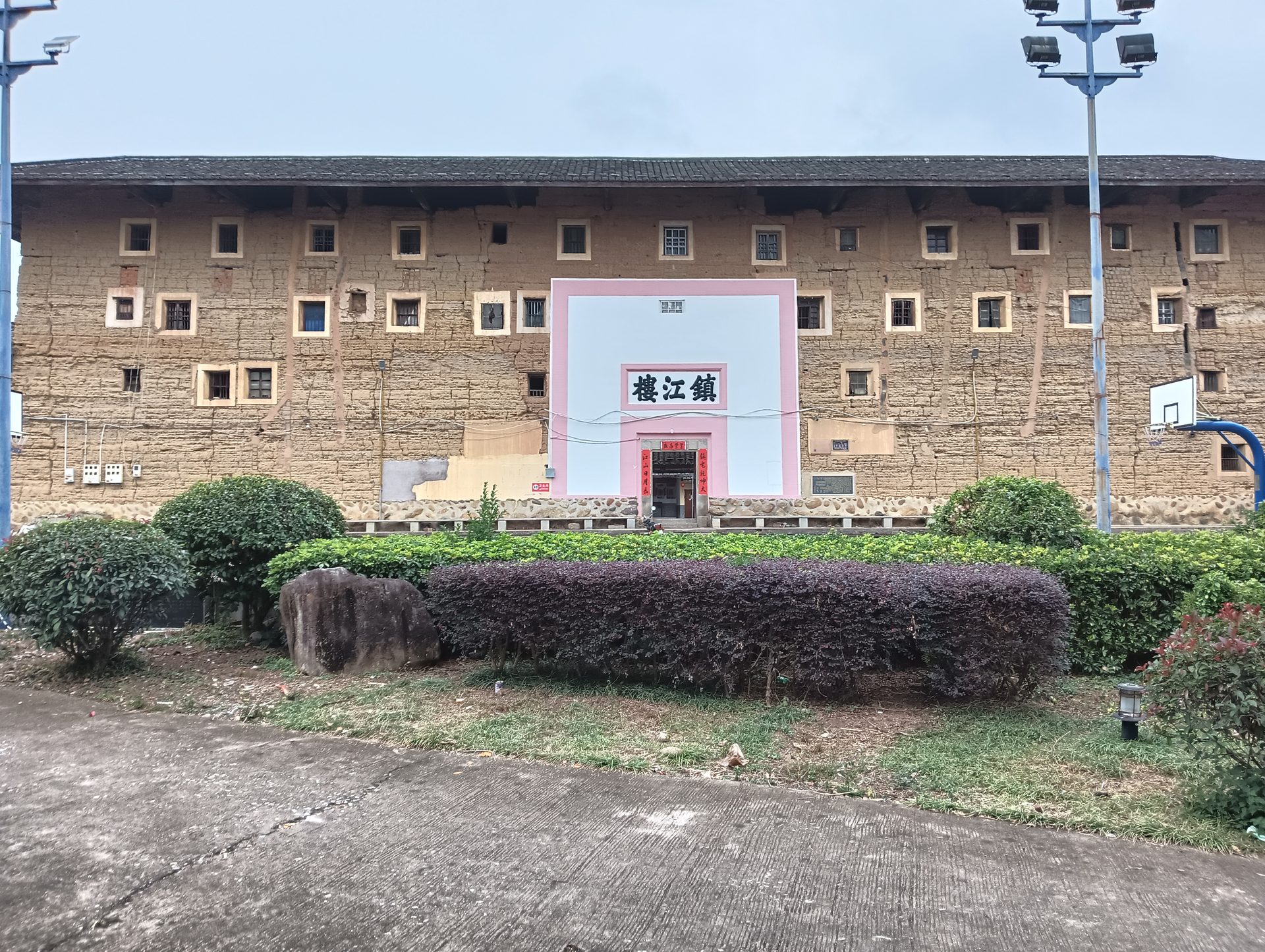
TuLou(土楼) country. Drive inland (≈2.5h by private car) to the TianLuoKeng(田螺坑) cluster and YuChangLou(裕昌楼), then YongDing(永定) for a Hakka(客家) family lunch and tea with residents. Where the right host is confirmed, sleep inside the architecture.
QuanZhou(泉州): Zayton. Drive to QuanZhou(泉州) (≈3–4h by private car), with a rest stop built in. Afternoon at KaiYuan(开元) Temple and Qingjing Mosque (est. 1009), at an unhurried pace. Evening: a marionette puppet show, or a quiet night in.
QuanZhou(泉州): farewell. Slow morning, free to wander. Then LuoYang(洛阳) Bridge, XunPu(蟳埔)'s flower-crown tradition, farewell lunch, onward rail connection.
Dinners are open and free except the welcome (Day 1) and farewell (Day 5). Day 1 stays light for arrival; Day 2 evening and Day 5 morning are deliberately unscheduled. Fuller version adds: a dawn walk on GuLangYu(鼓浪屿), a second TuLou(土楼) cluster on Day 3, and a tea-garden morning near AnXi(安溪).
A heritage skillcation: cook Hakka(客家) foodways with host families, try a XunPu(蟳埔) flower crown with an artisan, and learn the temples’ stories from the people who keep them.
FuZhou(福州): arrival. Settle in and rest first. In the evening, follow a local food guide through fish balls, lychee pork, and the night market, an easy first night that keeps jet lag at bay. Turn in early if you prefer.
ShaXian(沙县), SanMing(三明). Rail north (≈1.5–2h). Hometown of the snack shops found across China: make wontons and dumplings hands-on with local cooks. Free evening, dinner on your own.
XiaMen(厦门): cooking class. Free morning: breakfast and tea culture at your own pace. Afternoon cooking class, oyster omelette and satay noodles. Night market after dark.
XiaMen(厦门): noodle crawl & farewell. Breakfast noodle crawl comparing regional styles; farewell banquet to close.
Dinners are open and free except the farewell banquet (Day 4). Day 2 evening and Day 3 morning are deliberately unscheduled. A food route should breathe. Fuller version adds: a breakfast workshop on Day 2 and a market tour before the cooking class.
Hand-fold ShaXian(沙县) wontons and dumplings with local cooks; master oyster omelette and satay noodles in a XiaMen(厦门) kitchen, techniques that survive the flight home.
Full disclosure: no General Tso's chicken (invented in Taipei, perfected in New York), no orange chicken (Hawaii, 1987), no fortune cookies (California, where they don't exist in China). Just the food those dishes were dreaming of when they grew up.
Keep the BeiJing(北京), ShangHai(上海), GuangZhou(广州), or ShenZhen(深圳) plans you already have. They earn their place. Your FuJian(福建) chapter still begins in FuZhou(福州), then pairs the capital with one compact regional module; each one works as a short skillcation on its own.

Pick tea with farming families, roast a small batch hands-on, float the JiuQu(九曲) Stream, with the Bohea–Boston connection as the historical thread.

The TianLuoKeng(田螺坑) cluster, Hakka(客家) food, and, with the right host confirmed, a night inside a TuLou(土楼) guesthouse.

The former international settlement, Amoy Deco villas, the Piano Museum, with time left for the beach instead of racing back to the ferry.
Round-trip flights from the U.S. usually run $1,700–2,500, the biggest line item by far.
¥400–1,000 a night (about $55–140) buys a genuinely good hotel.
¥50–200 a person ($7–28) for dinner, from humble to lavish. McDonald's and KFC cost about what they do at home.
A private guide runs about ¥1,000 a day, split across the group.
All told, plan roughly $100–200 per person per day at full price.
Makers (7 days) about $2,500–4,000; TuLou(土楼) & Coast (5 days) about $2,200–3,500; FuJian(福建) Table (4 days) about $2,000–3,300.
Well-matched founding cohorts may have most ground costs covered, confirmed in writing before any flights are booked. No forced shopping. Ever.
We plan around the realities of seasons, transport, food preferences, connectivity, and jet lag, not just the highlights.
March–May brings spring tea season; jasmine blooms in summer, peaking in the hottest weeks. September–November usually offers the best weather. June–August is hot with typhoon risk; winters are mild.
High-speed rail links FuZhou(福州) and XiaMen(厦门) in about 1.5 hours and reaches WuYiShan(武夷山). TuLou(土楼) country is best handled by private driver.
Alipay and WeChat Pay now accept foreign bank cards. Carry some cash as backup. Pre-departure guidance covers eSIM setup and VPN preparation.
Vegetarian and vegan meals can be arranged with advance notice. Spice and oil levels are adjustable, tell us what works for you.
No forced shopping and no routine 6 a.m. bus calls. Groups stay small, typically 6–12, so conversations and pauses remain possible. Every route is paced for real humans: arrival days stay light for jet lag, and at least one half-day in every two is left unscheduled.
US passport holders: the 240-hour transit visa-free route can work with an onward ticket to a third country/region. We brief every guest on the current rules before booking.
94% of people in China feel safe walking alone at night (Gallup 2025, vs 71% in the US). Night markets and riverside walks stay busy and well-lit late, the night belongs to everyone, including women traveling solo.

Three quick inputs. A concise concept brief you can copy into a planning conversation.
Build my brief